

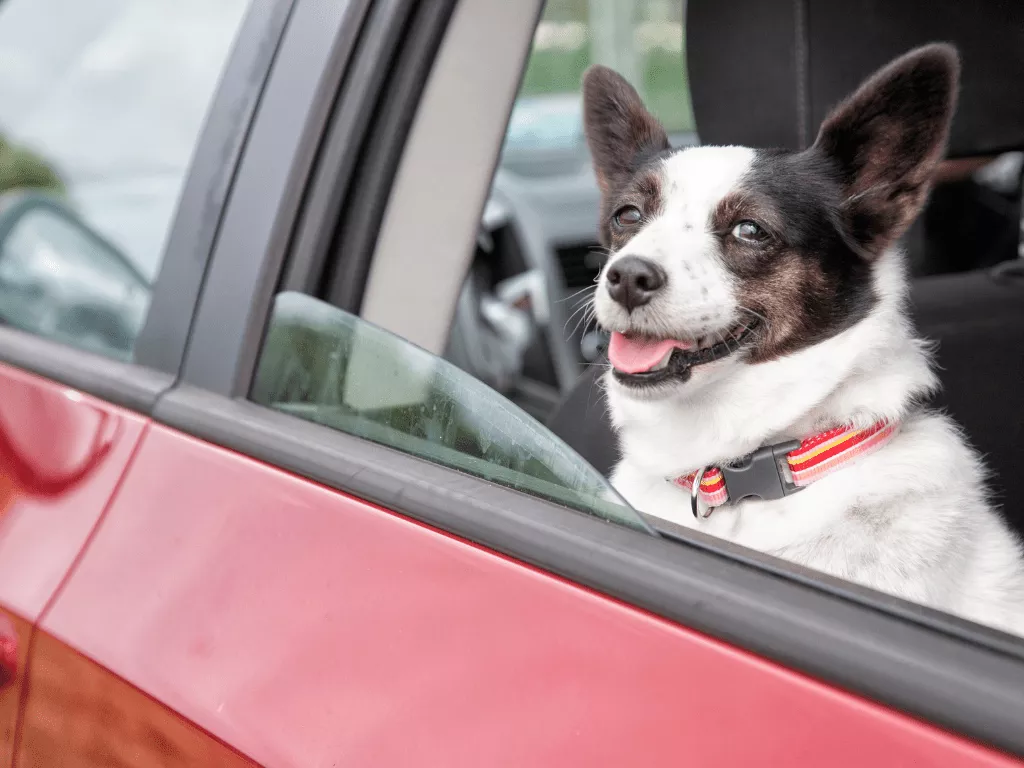
Teaching Your Pet for Car Rides: An All-Inclusive Handbook

While riding in a car with your pet might be a fun experience for both of you, it can also provide difficulties. Many animals get nervous or uncomfortable in the car, whether it’s for a trip to the veterinarian, a visit to the park, or a vacation. Appropriate training guarantees that these rides will be more fun and less taxing for your pet as well as for you.

This guide will coach you through necessary actions to teach your pet for car rides, lower anxiety, and ensure every trip is safer and more fun.

Why Do Dogs Not Like Car Rides?

It’s important to know why certain pets find car journeys objectionable before starting the training process. There are numerous often shared causes:

  • Motion Sickness: Pets can experience motion sickness, same as people can. Nausea, drooling, and general discomfort can all follow from this.

  • Fear or Anxiety: Pet fear or anxiety can be brought on by car drives, particularly if they link them with unpleasant events (such as visits to the veterinarian or grooming).

  • Lack of Familiarity: Some dogs just haven’t been in the automobile enough to become used to the motion, loudness, and change of surroundings.

  • Separation Anxiety: Some dogs may get stressed when they are away from their comfortable habitat or home.

Phase 1: Start with Positive, Short Rides

Starting cautiously and making sure every car trip is a positive experience can help you start your pet’s training for automobile rides.

  1. Start Small: Begin with short trips, even just around the block. You want to help your pet grow used to the car without overloading them.

  2. Positive Reinforcement: Reward your pet with treats, compliments, or their preferred toy after you get home after each ride. This makes the car positively associated.

  3. Increase Ride Length Gradually: Once your pet is at ease on short journeys, progressively stretch the ride’s length. This helps your pet grow accustomed to longer trips.

Phase 2: Design a Secure and Pleasant Environment

If a pet doesn’t feel safe, the car might be a frightening spot for them. Making sure your pet is safe and comfortable will have a big impact.

  • Keep Your Pet Under Control: Never let it go wild inside the car. Besides being dangerous for them, it can cause distractions for drivers. Make investments in a travel cage, pet carrier, or pet seatbelt harness.

  • Travel Crate or Carrier:

    • Some dogs find more comfort in a closed crate since it creates a den-like environment.

    • Ensure your pet can easily lie down, turn around, and stand in the container.

  • Seatbelt Harness:

    • Larger dogs might benefit from a seatbelt harness. It lets your pet have some room to roam while keeping them safe.

  • Maintain Comfortable Temperatures:

    • Make sure the car isn’t overly heated or cold. If the temperature is extreme, stop for fresh air during longer travels.

  • Feeding Schedule:

    • Avoid feeding your pet just before the car trip. Leave at least two-hour intervals between meals and travel to reduce nausea risks.

Phase 3: Treat Motion Sickness

Pets—especially puppies and kittens—often experience motion sickness. Here are techniques to help reduce discomfort:

  1. Drive Smoothly: Avoid fast turns, abrupt stops, or unexpected motions. Steady driving at a regular speed minimizes motion sickness.

  2. Avoid Strong Scents: Strong fragrances like air fresheners or perfumes can exacerbate nausea. Keep the car well-ventilated.

  3. Medication: Consult your veterinarian if motion sickness persists. They may suggest natural remedies like ginger or prescribe medications to calm your pet’s stomach.

Phase 4: Desensitize Your Pet to Cars

Desensitization is essential for pets who are nervous or afraid in the car. Gradually accustom your pet to the car environment without pressure to travel.

  1. Explore the Car:

    • Open the car door and let your pet investigate at their own pace.

    • Allow them to explore and grow used to the interior without any pressure.

  2. Positive Space:

    • Spend time sitting in the car with your pet.

    • Play their favorite games or bring treats inside the car to create comfort and a sense of safety.

  3. Short, Calm Rides:

    • Take your pet on quick, non-stressful trips. Avoid destinations associated with negative experiences (e.g., the vet).

Phase 5: Keep Your Pet Occupied

A bored pet in the car can grow destructive or anxious. Keeping them relaxed and entertained is crucial.

  • Interactive Toys: Pack chew toys or puzzle toys to keep your pet busy.

  • Comfort Items: Bring a blanket or item that carries your scent to provide security.

  • Relaxing Music: Soft, calming music can create a serene environment and reduce anxiety.

Phase 6: Consistent Practice is Crucial

Like any other training, success depends on consistency. Continue taking your pet on car rides, even for short trips to familiar places like a park or pet store. The more accustomed your pet becomes, the more relaxed they’ll feel.

Phase 7: Consider Professional Pet Taxi Services

For additional support, consider using a professional pet taxi service. These services are especially helpful for pets that are particularly anxious or for long-distance travel. Pet taxis are managed by experienced professionals who ensure safety and comfort during the journey.

Phase 8: Patience is Key

Every pet is different, and some may take more time to adapt to car rides. Patience is essential. Celebrate small milestones and don’t get discouraged if progress is slow. With consistency and positive reinforcement, your pet will eventually enjoy car rides.

Conclusion

Teaching your pet to enjoy car rides is about more than just getting them into the car. It’s about ensuring the experience is pleasant for both of you. Following these steps will help your pet overcome fears and anxieties, turning car rides into joyful experiences. Whether it’s a trip to the vet or a leisurely road trip, a well-trained and comfortable pet makes every journey safer and more enjoyable.

With practice, patience, and preparation, you can make every car ride a secure, peaceful, and fun experience for both you and your furry friend.
What do you think?
Related Articles
How to Evaluate ‘Animal Boarding Near Me’: 5 Checks Before Booking

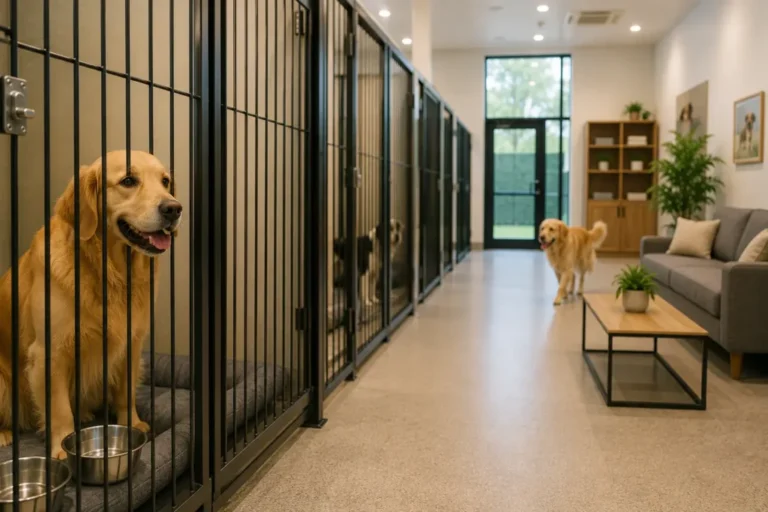
You type Animal Boarding Near Me because you need a place you can trust. Not just nearby. Not just available. A spot where your cuddly loved one will feel secure, content and nurtured while you’re gone. Before you book anything, pause. A quick visit and the right questions can tell you everything. If you want to see how a calm, home-style pet care space looks, you can explore here:Fancy Furry Pet Day Care & Boarding Animal Boarding Near Me: The Full Evaluation Checklist These five questions reveal more than any brochure or website ever will. Question to Ask What It Reveals Who supervises pets all day? Whether trained caregivers are present, not just attendants Where does my pet rest and sleep? If the space feels like a home, not a cage or kennel How are pets handled during play and feeding? Staff understanding of animal behavior and safety What happens if my pet feels unwell? Clear emergency process and responsible contact person Can I tour the space before booking? Transparency and confidence in their environment The American Veterinary Medical Association (AVMA) recommends that boarding kennels employ staff who are screened, trained and that their performance is evaluated regularly for animal safety. AVMA Companion Animal Care Guidelines This is not optional. This is essential. Safety Checks You Should Never Skip On entering, quietly observe. These signs tell you your pet will feel relaxed here. You can read more about what a stress-free boarding environment looks like on theFancy Furry Blog Ask About Emergency Procedures This question is often forgotten. It should be the first. The AVMA clearly advises that boarding facilities must have an emergency contact procedure and an authorized person reachable if a pet has a health issue. AVMA Emergency Pet Care Guidance Ask them: “If my pet feels unwell at night, who notices, and who contacts me?” The answer should be immediate and confident. Halfway through your evaluation and unsure? A short visit usually gives you complete peace of mind. Observe How Pets Behave Inside Pets do not hide their feelings. When they appear relaxed, lie down comfortably or walk about calmly, it is a safe environment to them. If they’re pacing, barking excessively or hiding, something is amiss. Trust what you see. Conclusion The search for Animal Boarding Near Me has nothing to do with distance. It’s about finding a place your pet can feel safe and comfortable in, with a loving supervisor. Ask the right questions. Observe carefully. Check safety and emergency readiness. When all of this feels right, booking becomes easy because your heart feels settled. You can visit, see the space yourself, and book with confidence here:Visit & Book Pet Boarding FAQs How do I evaluate Animal Boarding Near Me before booking? Visit the place. Ask about staff supervision, sleeping areas, handling methods, and emergency procedures. Observation tells you more than promises. Why is staff training important in boarding facilities? Trained caregivers understand animal behavior, safe handling, and stress signals. AVMA guidelines emphasize screened and trained staff for pet safety. What emergency plan should a boarding place have? They should have a clear contact procedure, an authorized person reachable, and immediate action if a pet shows health concerns. Key Takeaways

Finding the Top Dog Boarding Near Me in Dubai: What to Look For

You open Google and type Top Dog Boarding Near Me. Because you are not just looking for a place. You want a place in which your dog feels comfortable when you’re not there. That search is emotional. It is urgent. And it is deeply personal. Before you choose the closest option on the map, there are a few things that matter far more than distance. If you are comparing options right now, you can explore how a home style boarding space looks here:Fancy Furry Dog Boarding Dubai Why “Near Me” Feels Important But Isn’t the Only Factor Location matters. Of course it does. You want: But dogs do not understand distance.They understand environment. The ASPCA observed that dogs kept in kennel style spaces showed fearful behavior, excessive barking, and visible stress. When moved into a home like room, those stress signs almost disappeared. ASPCA finding on kennel stress and home-like rooms That is the difference you should be looking for. Top Dog Boarding Near Me: What Actually Separates Good from Great When you visit a place, do not just look. Ask. What to Ask Why It Matters for Your Dog Where does my dog sleep Soft bedding in a calm room feels safe, cages do not Are dogs supervised all day Constant presence reduces anxiety and restlessness How much play and movement time Activity prevents boredom and stress buildup Is the space quiet and clean Noise and smell trigger nervous behavior Can I visit before booking Transparency builds trust for you and comfort for your dog These small details decide whether your dog feels confused or comfortable. The Environment Should Feel Like a Second Home Walk inside and pause. Does it feel like a house.Or does it feel like a facility. Dogs relax in spaces that feel familiar. Rooms. Sofas. Bedding. Calm corners. Gentle voices. You can read more about how dogs respond to boarding environments on theFancy Furry Blog Midway through your search and feeling unsure? Visiting the space once usually answers everything. Distance Considerations Across Dubai Neighborhoods Depending on where you reside in Dubai, whether it be Marina, JVC, Downtown, Jumeirah or Al Barsha, it should be a reasonable drive. But do not trade a better environment for five minutes of saved travel time. A slightly longer drive to a calm, home style boarding place is often worth it for your dog’s emotional comfort. Because what feels “near” to you should also feel “right” for your dog. Signs You Found the Right Place You will notice it quickly. That feeling is not accidental. It is what reduces boarding stress. Conclusion While it’s true that proximity is the name of the game when it comes to finding Top Dog Boarding Near Me, it’s not the primary consideration. It’s a matter of trust, comfort and place your dog will spend time in while you’re gone. A relaxing environment, gentle handling and a home-like setting have a clear impact on dogs’ behavior when they’re boarding. So, the research indicates. When you visit anywhere, that’s what you should look for. When you find a space that feels right, you will know. This is where you can explore, visit and book:Book Dog Boarding Visit FAQs How do I choose the Top Dog Boarding Near Me in Dubai? Visit the place in person. Check where dogs sleep, how they are supervised, and whether the environment feels like a home rather than a kennel. Does distance matter when choosing dog boarding? Yes, but environment matters more. A slightly longer drive to a calm, home style space is better for your dog’s comfort. Why do some dogs get stressed in boarding places? Kennel style environments can cause fear, barking, and anxiety. Home like spaces help dogs relax naturally, as observed by the ASPCA. Key Takeaways

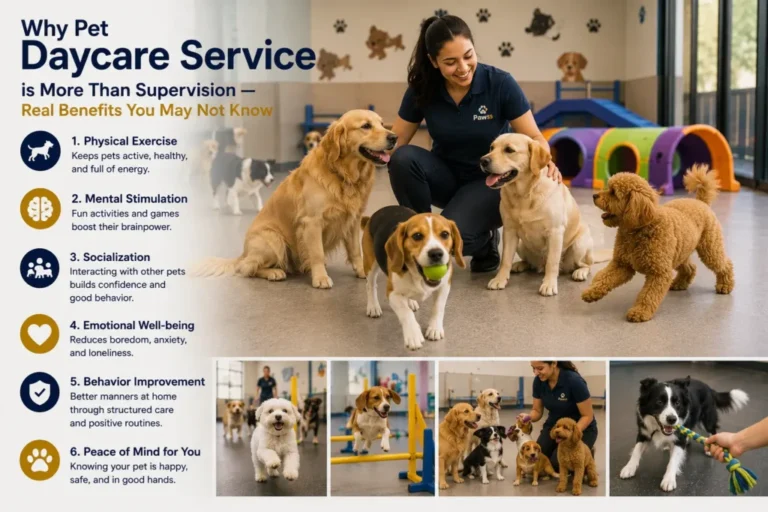
Why Pet Daycare Service is More Than Supervision — Real Benefits You May Not Know

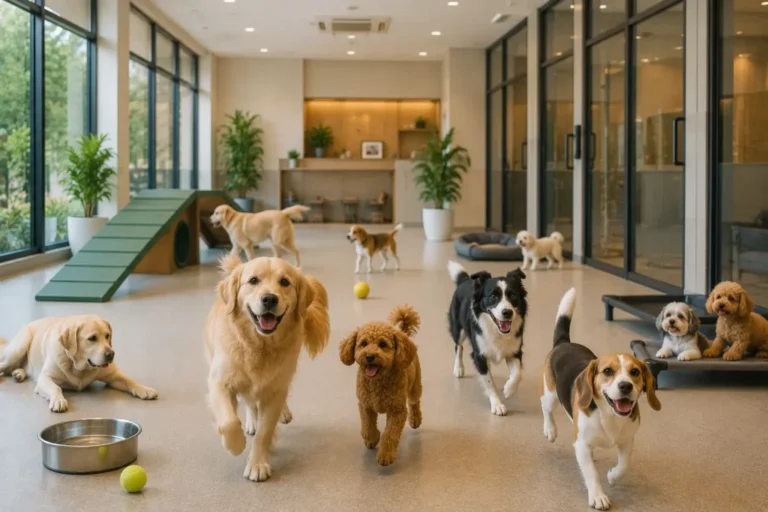
Most people think daycare means someone watches their dog while they’re at work. That’s part of it. But a genuinely good pet daycare service does something far more important — it actively improves how your dog feels, behaves, and copes with being away from you. Here are the real benefits. The ones that show up when you get home. Want to see what a great day looks like? Explore our pet day care service in Dubai Pet Daycare Service Benefits Your Dog Actually Feels Exercise That Goes Beyond a Morning Walk Most dogs aren’t satisfied with just one morning walk. The ASPCA states that “Exercise can prevent boredom and stop your dog from engaging in destructive behavior, while keeping their mind active and healthy”. A daycare day is a structured daycare day that cannot be the same experience as a 20-minute walk. The result? A dog that comes home genuinely tired. Not restless. Tired in the best way. Socialization That Shapes Behavior Long-Term Dogs are social. Isolation — day after day — takes a quiet toll. By playing with other dogs and tender humans, your little one learns to play with others without being overreactive and to remain calm in the presence of strangers. These are the behaviors that help make life easier at the vet, park, and at guests’ homes. Anxiety Relief for Dogs Who Struggle Alone This one surprises a lot of pet parents. The ASPCA recommends taking your dog to doggy daycare as a direct strategy for dogs suffering from separation anxiety. A dog who spends the day engaged, stimulated, and in good company simply doesn’t spiral the way a dog alone at home does. Less time alone. Less stress. Fewer chewed cushions. Boredom Reduction — The Problem Nobody Talks About A bored dog is never calm for long. Barking, pacing and furniture destruction don’t have to be a personality defect. They’re a dog that has no place to put its energy. Daycare fills that gap with purpose: play, enrichment, new scents, new experiences. It resets the day completely. Read more about what dogs do at daycare    What to Look for in a Pet Daycare Service What to Check Why It Matters Caregiver-to-dog ratio More attention, less chaos Separate spaces by energy level Calm dogs need calmer groups Built-in rest periods Overtired dogs become stressed dogs Enrichment activities Mental stimulation matters as much as physical Clean, hygienic environment Non-negotiable for health Conclusion Daycare isn’t just supervision — not when it’s done right. A pet daycare that truly cares will provide your dog with exercise, socialization, anxiety alleviation and mental stimulation. All that a long day without you can’t give. Your dog will notice the difference in their behavior, rest and mood when you enter the door. They deserve a full day. Not just a safe one. Book your dog’s first daycare session with Fancy Furry FAQ What benefits does a pet day care service offer? Daycare offers not only supervision, but also structured exercise, socialization, enrichment and separation anxiety relief. Dogs come home calm, well behaved and truly exhausted, not the tired end-of-the-day type, but the healthy after-a-stimulating, well-managed day kind. Does pet day care work for dogs with separation anxiety? Often, yes. Dogs that spend long hours alone tend to grow restless, vocal, or withdrawn. A calm day care space with company, movement, and watchful caregivers can ease that pattern. The change in routine, the presence of other dogs, and steady attention usually reduce stress over time. What are the things to consider when selecting a pet day care in Dubai? Pay attention to how the place feels when you walk in. Check if there are enough caregivers for the number of dogs. Notice whether energetic dogs and quiet dogs have separate areas. Ask about rest breaks, not just play time. Look for signs of planned activities, not random free roaming. A short visit tells you more than any brochure ever will. Key Takeaways Social Snippet: A pet daycare service isn’t just someone watching your dog — it’s exercise, socialization, anxiety relief & boredom prevention all in one. Here’s what your dog actually gains from a proper day. #PetDaycareDubai